


Organic Plant Protein Powders
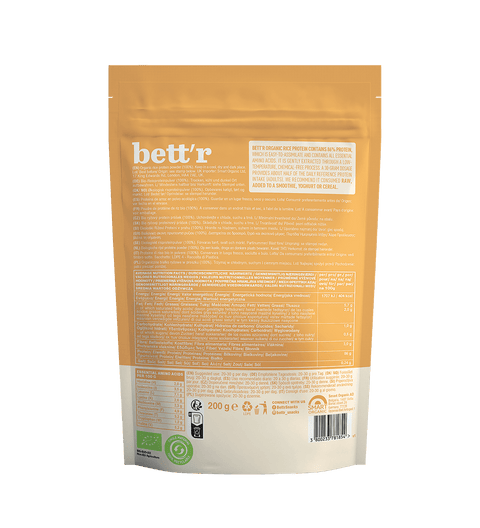
Organic plant protein powders offer the most flexibility for drinks and recipes. The range includes single-source proteins such as pea, rice, hemp, chia, pumpkin seed and almond, as well as blends that combine several plant proteins in one formula.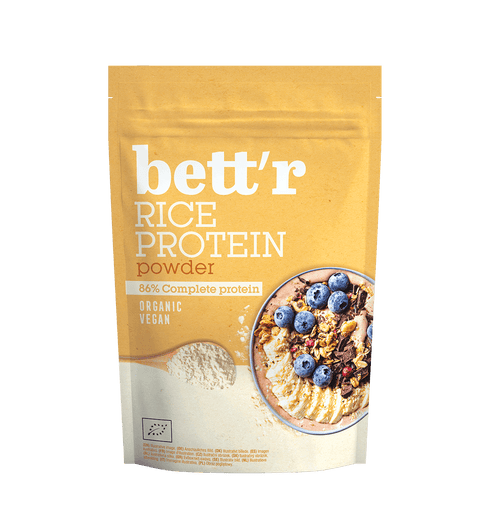


Βιολογική Πρωτεΐνη Αρακά, 200 γρ., Dragon Superfoods


Βιολογική Πρωτεΐνη Σπόρων Κολοκύθας, 200 g, Dragon Superfoods


Organic Hemp Seed Protein Powder 50%, 1.5kg, Dragon Superfoods

BIO Chia Protein Powder, 36% complete protein, 1.5 kg, Dragon Superfoods
Organic Plant Protein Shakes
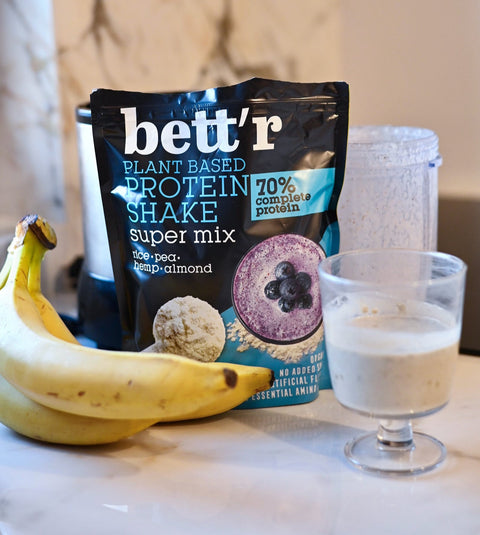
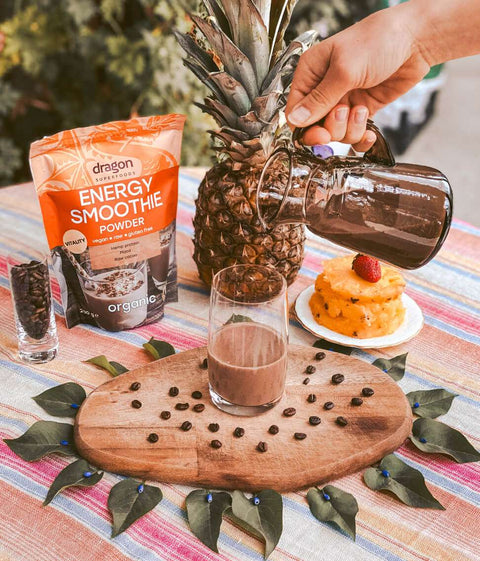
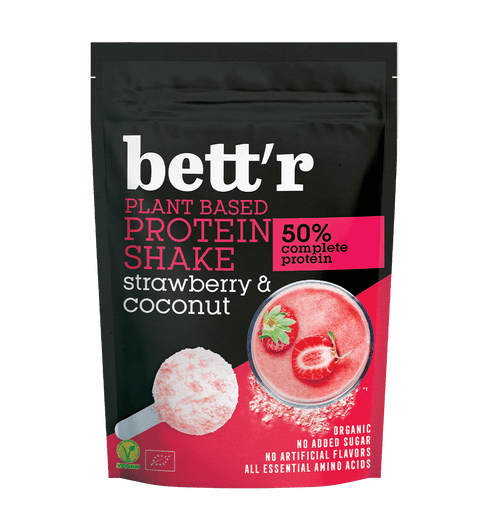
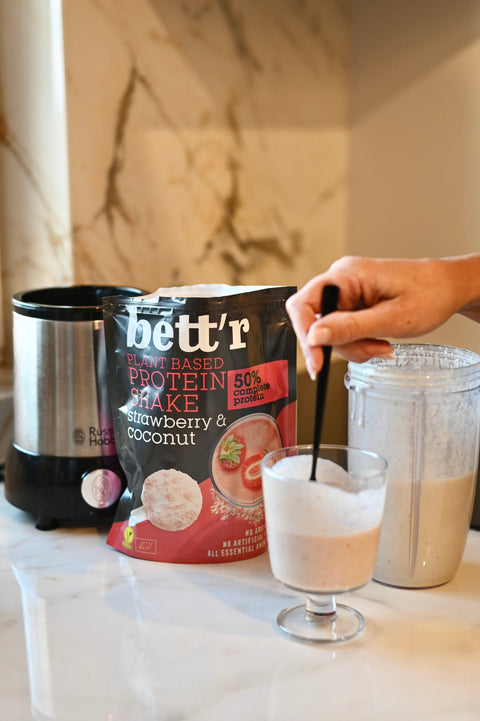
Organic plant protein shakes are ready-formulated mixes designed for quick drink preparation. They combine plant protein sources with ingredients selected for flavour and texture, making them a convenient alternative to building your own shake from individual powders.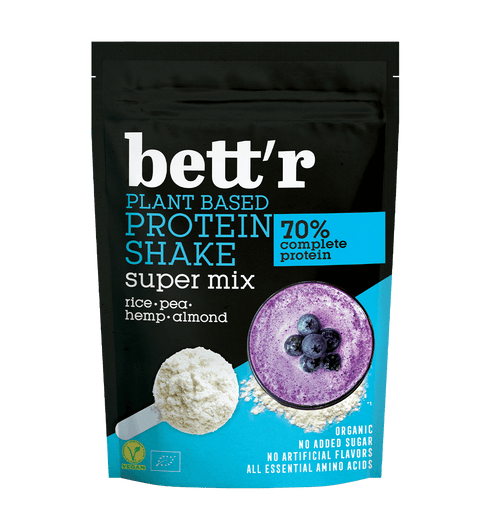




Organic Textured Vegetable Protein
Organic textured vegetable protein, or TVP, is designed for savoury cooking rather than drinks. Available in formats such as granules, mince and larger pieces, it can be hydrated, seasoned and used in pasta sauces, burgers, stews, fillings and similar dishes.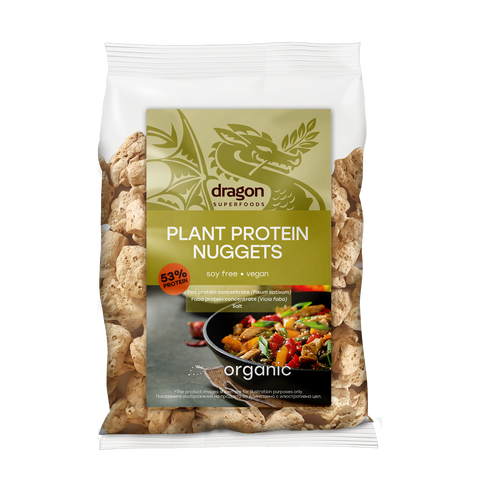
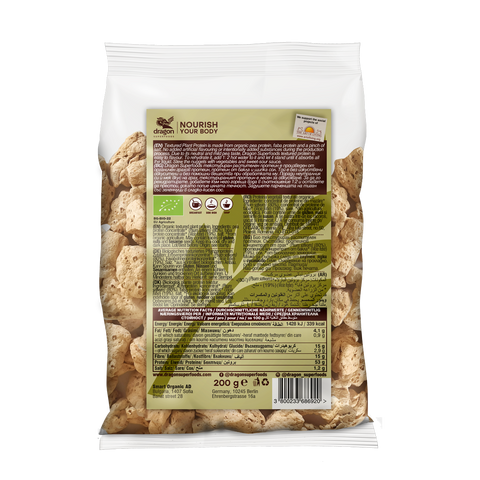
Βιολογικά Τραγανά Κομμάτια Πρωτεΐνης Αρακά, 150 γρ., Dragon Superfoods

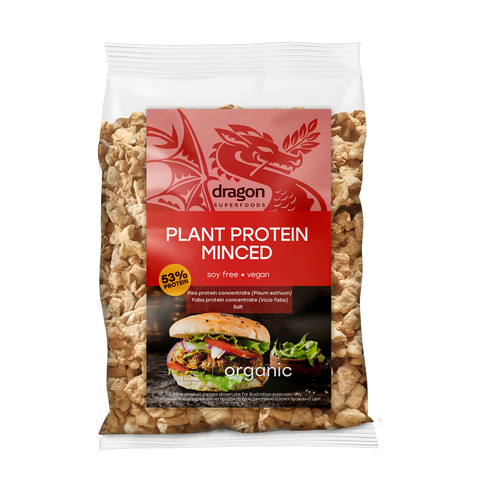
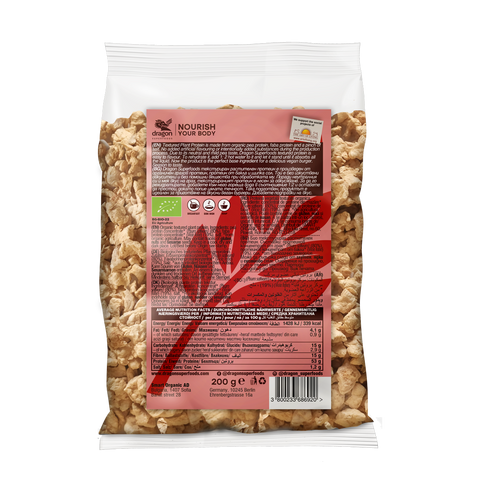
Βιολογικός Κιμάς Αρακάς Textured, 200 g, Dragon Superfoods
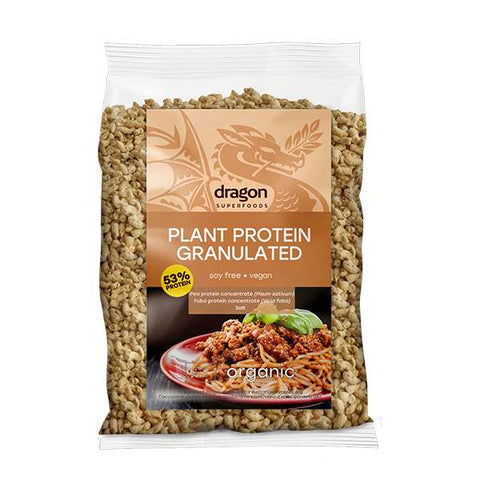
Βιολογικά Κοκκία Πρωτεΐνης Λαχανικών με Υφή, 200 g, Dragon Superfoods
Frequently asked questions about organic plant proteins
A protein concentrate is less extensively processed and usually retains more of the original plant components, such as fibre or fat. A protein isolate undergoes further processing to remove more non-protein components, resulting in a higher protein concentration. The exact nutritional profile depends on the plant source and manufacturing process.
No. An isolate usually provides more protein per 100 g, while a concentrate may retain more of the original plant components. The better option depends on your priorities, such as protein concentration, ingredient profile, flavour, texture and how you plan to use the product.
Pea, rice, hemp, chia, pumpkin seed and almond proteins all have different protein levels, flavours and textures. Neutral options such as pea or rice are often easier to use across different recipes, while seed and nut proteins tend to have more distinctive flavour profiles.
A plant protein powder is usually a single protein source or a neutral blend that can be added to drinks and recipes. A protein shake is a ready-formulated mix designed primarily for preparing a drink and may include additional ingredients for flavour and texture.
A plant protein blend combines two or more plant protein sources in one product, such as rice, pea, hemp and almond proteins. Blends offer a convenient alternative to buying and combining several individual protein powders yourself.
Textured vegetable protein, or TVP, is a dry plant protein ingredient with a structured texture that is hydrated before cooking. Unlike protein powders, which are mainly used in drinks and recipes as finely milled ingredients, TVP is designed primarily for savoury dishes such as sauces, burgers, stews and fillings.




Εταιρεία
Επικοινωνήστε μαζί μας
