Maca is one of those roots that has moved from traditional diets into modern nutrition, gaining attention for energy support, hormonal balance, and overall well-being. You can find it as a powder, in capsules, or in smoothie and latte mixes, and the reason is simple. It is easy to use and fits naturally into a daily routine.
For many people, the challenge is not the lack of supplements, but choosing the ones that actually make sense. Maca stands out because it addresses several common needs at once: persistent fatigue, stress, low libido, difficulty concentrating, or hormonal transitions. Below you will find a clear explanation of what maca is, what it contains, which benefits are supported by data, and how to use it safely.
What is maca?

Maca, scientifically known as Lepidium meyenii, is a plant native to the Peruvian Andes, cultivated for over 2,000 years at extreme altitudes between 4,000 and 4,500 meters. It belongs to the Brassicaceae family, the same family as broccoli and cabbage, which explains the presence of similar bioactive compounds.
The part that is consumed is the thickened root, dried and ground into powder. Traditionally, maca was not eaten raw, but cooked or processed to improve digestion. This detail remains relevant today, which is why most quality products use dried or gelatinized maca.
There are several types of maca, differentiated by color:
- yellow maca, the most common and balanced
- red maca, more often associated with women’s health
- black maca, frequently chosen for energy and men’s health
The differences between them relate to the proportion of bioactive compounds, not to radically different effects.
The benefits of maca in the diet

Maca is not an instant “boost” and it is not a substitute for sleep or proper nutrition. It is a functional ingredient that works gradually and is felt most clearly when consumed consistently.
Supporting energy levels and overall vitality
Several studies suggest that maca may help reduce the feeling of fatigue and support more stable energy throughout the day. It does not stimulate like coffee and does not cause sudden energy crashes. This is why it is often preferred by people who feel constantly drained or who want daily support rather than an aggressive stimulant.
Support for sexual health
Maca is one of the few plants for which clinical studies have shown an increase in libido in both women and men after several weeks of use. An important point is that this effect does not appear to be linked to artificial increases in hormone levels, but rather to improved overall well-being, energy, and internal balance.
In women, maca has also been studied in the context of antidepressant-induced sexual dysfunction, with promising results in some cases.
In men, data indicate mild improvements in certain sperm parameters, such as concentration and motility, after consistent use for around 12 weeks.
Mood and mental well-being
Regular maca consumption has been associated in some studies with improved mood and reduced feelings of anxiety or irritability. This effect is likely linked to its nutrient profile, its impact on energy levels, and the reduction of chronic fatigue.
In practice, many people report better stress tolerance and improved concentration, especially during demanding periods.
Cognitive function and cellular protection
Animal studies suggest a potential neuroprotective effect of maca, associated with support for mitochondrial activity and cellular regeneration processes. While these findings cannot be directly translated to humans, they support the idea of maca as a functional food with long-term value in a balanced lifestyle.
What does maca contain?
- Dried maca has a dense nutritional profile:
- approximately 10% plant-based protein
- around 59% complex carbohydrates
- 8–9% fiber
- small amounts of fats
It contains both essential and non-essential amino acids, including leucine, arginine, lysine, and valine. At the micronutrient level, it provides iron, calcium, potassium, zinc, and copper.
What sets maca apart from other roots are its specific compounds:
- macamides and macaenes, associated with effects on energy and the nervous system
- polyphenols with antioxidant activity
- glucosinolates, typical of cruciferous vegetables
How to integrate maca into your diet
Maca has a mild, nutty flavor with earthy, caramel-like notes. It pairs well with sweet and warm flavors.
Simple daily use ideas:
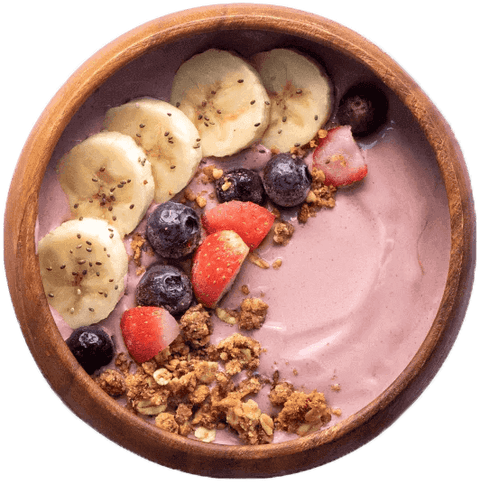
- add ½–1 teaspoon to smoothies with banana, cacao, or peanut butter
- mix into oatmeal with cinnamon and fruit
- combine with plant-based milk for a maca latte
- add to plant-based yogurt or granola
The usual dose used in studies is 1.5–3 g per day. It is recommended to start with a small amount and increase gradually.
For most people, the best time to consume maca is in the morning. Taken in the evening, it may interfere with sleep.
Can maca have side effects?
Maca is considered safe for most healthy adults, but some effects may occur:
- digestive discomfort at higher doses
- agitation or insomnia if consumed late in the day
- changes in the menstrual cycle in some women
- It is not recommended during pregnancy or breastfeeding. People with hormone-sensitive conditions or thyroid issues should consult a doctor before using maca.
If you want the benefits of maca without measuring doses or mixing it manually every day, ready-made products can be a practical solution. These options work especially well when your schedule is busy and consistency matters.
Maca bars for everyday energy

Maca-based bars are an easy way to include this root in your routine. For example, the organic maca and cranberry Roo’bar combines the slightly tart taste of fruit with the mild, nutty notes of maca, making it suitable for active breaks or long days.
Another option is the organic protein bar with cherries and maca Roo’bar, which also provides plant-based protein, useful after workouts or as a filling snack.
Smoothie blends with maca
If smoothies are your go-to choice, the organic Energy Smoothie blend by Dragon Superfoods includes maca alongside other plant-based ingredients. It works well in quick breakfasts or post-workout drinks.
Small sweet snacks with maca
For controlled sweet cravings, the organic cacao, maca, and probiotics Roo’bar bite offers a compact, balanced option that fits easily into a busy day.
Complex blends for hormonal balance
For a broader approach, the organic Her Balance blend by Dragon Superfoods combines maca with other adaptogen plants and functional ingredients, designed to support women during demanding periods.
What to keep in mind
Maca is a real superfood, but not a cure-all. It works best when integrated into a balanced diet and consumed consistently, without unrealistic expectations.
If you are looking for an ingredient that supports energy, well-being, and overall balance, maca is a solid option. If you are looking for a quick or miraculous fix, this is not its role.