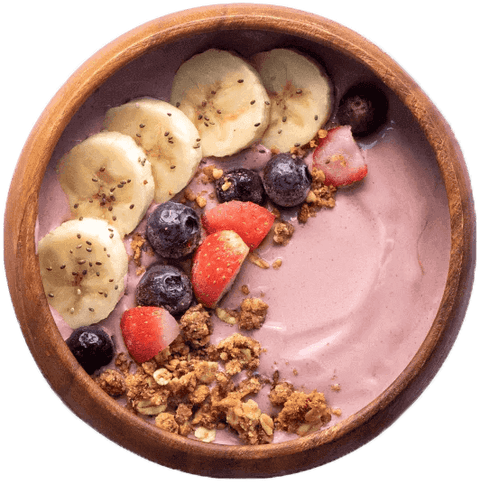
You may have discovered cashew butter in a recipe or on a store shelf and wondered how easy it is to use every day. More and more people choose cashew butter for its delicate taste and its nutritional value. You can add it quickly to any menu, breakfast, snacks, desserts, or even as a creamy base for sauces. Here is what sets it apart and how to enjoy its benefits daily.
What is cashew butter and why choose it?
Cashew butter is made from roasted cashews ground into a smooth, spreadable cream, with no hidden additives or sweeteners. The result is a mild, slightly sweet spread with a naturally creamy texture.
Vegans and vegetarians appreciate it for its protein content and the absence of lactose, but cashew butter also fits well into the diets of children, athletes, and anyone looking for a quick, nourishing snack. Spread it on bread, blend it into smoothies, or use it as a topping for desserts and you will see how easily it complements your meals.
Nutritional profile of cashew butter
Cashew butter delivers energy and key nutrients in a small portion. Per 100 grams, it provides around 620 kcal, 20 g protein, 48 g healthy fats, mostly monounsaturated, 25 g carbohydrates, plus fiber and natural sugars.
It also contains important vitamins and minerals:
– vitamins E and K, which support skin and cardiovascular health
– B vitamins, B1, B2, B6, for metabolism and nervous system function
– magnesium, copper, zinc, iron, potassium, and manganese for bones, muscles, and immunity
– tryptophan, an amino acid linked to mood and well-being
Its creamy texture helps the body absorb these nutrients efficiently. If you are looking for a clean option, choose a product made from 100% roasted cashews, with no added ingredients.
Health benefits of cashew butter

License: e16263a2f62ddc264760ef7469e62995bc
When used correctly, cashew butter can support health in several ways.
Supports heart health
The monounsaturated and polyunsaturated fats in cashew butter help lower LDL cholesterol and support higher HDL levels. A balanced breakfast with whole-grain bread, vegetables, and cashew butter can contribute to cardiovascular health with minimal effort.
Helps manage appetite and weight
Although calorie-dense, cashew butter contains protein and fiber that promote satiety. As a snack paired with fruit or sugar-free crackers, it can reduce cravings for sweet, processed foods. Measure portions with a spoon and adjust to your needs.
Supports bones and muscles
Magnesium and copper contribute to bone strength and muscle function. This is especially useful for growing children or active adults. A portion at breakfast or in a post-workout smoothie provides a solid nutritional boost.
Protects skin and eye health
Natural antioxidants such as vitamin E, lutein, and zeaxanthin support healthy skin and help maintain good vision. Adding cashew butter to salads with colorful vegetables brings both flavor and benefits.
Supports the nervous system
Tryptophan helps support serotonin production, which contributes to a balanced mood and energy levels. A snack made with cashew butter, banana, and a piece of dark chocolate can help during tired afternoons.
Supports immunity and reduces inflammation
Minerals like zinc and copper, along with antioxidants, have anti-inflammatory properties and support immune defenses. During busy periods or cold seasons, cashew butter works well in fruit-based smoothies.
Supports gentle digestion
The fiber content helps regulate digestion. Mix cashew butter with plant-based yogurt, add it to oatmeal, or combine it with fruit and seeds for a filling, balanced breakfast.
Practical ways to add cashew butter to your daily routine

License: e1d1e29a0cbc3bc353b66bc8722d875043
Choose the right product
Look for organic cashew butter without added sugar, salt, or oils. The label should list “100% cashews” as the only ingredient.
Mind the portion size
You do not need much. One to two tablespoons per day, about 20 to 30 g, is enough. Start with a teaspoon in the morning on whole-grain bread or in oatmeal and adjust based on your activity level and goals.
Use it in familiar meals
Spread it on crackers or pancakes for a quick snack.
Blend it into smoothies with banana, spinach, and plant-based milk for sustained energy.
Use it as a base for cold sauces by mixing it with lemon juice, garlic, water, and spices. It pairs well with roasted vegetables or grain bowls.
Create simple recipes
Make no-bake energy balls from dates, cocoa powder, and cashew butter.
Use a protein cashew and vanilla spread without added sugar as a filling for cookies or pancakes.
Combine cashew butter with kiwi or orange slices for a sweet-tart contrast. Vitamin C helps iron absorption.
Prepare a fast snack with banana slices, strawberry cashew cream, and almond flakes.
What to consider before consuming cashew butter
Check for nut allergies
If you are sensitive to nuts, peanuts, or seeds, always read the label carefully. Some products may contain traces from processing.
Use moderation if you have specific health conditions
If you need to manage calorie intake, for example with diabetes or weight concerns, use cashew butter mindfully. Consult a healthcare professional if unsure.
Choose quality over additives
Avoid products with added sugar, excess salt, or hydrogenated fats. A short, clear ingredient list is best.
Read labels before buying
Look for “100% cashews” and avoid unnecessary additives or additional oils like palm oil. Review nutritional values to choose the product that fits your goals.
Cashew butter adds energy and balance to breakfasts, quick snacks, and desserts. You will quickly see how easy it is to include it in everyday meals. Whether your goal is better overall well-being, a balanced diet, or more variety for the whole family, cashew butter fits naturally into daily eating.